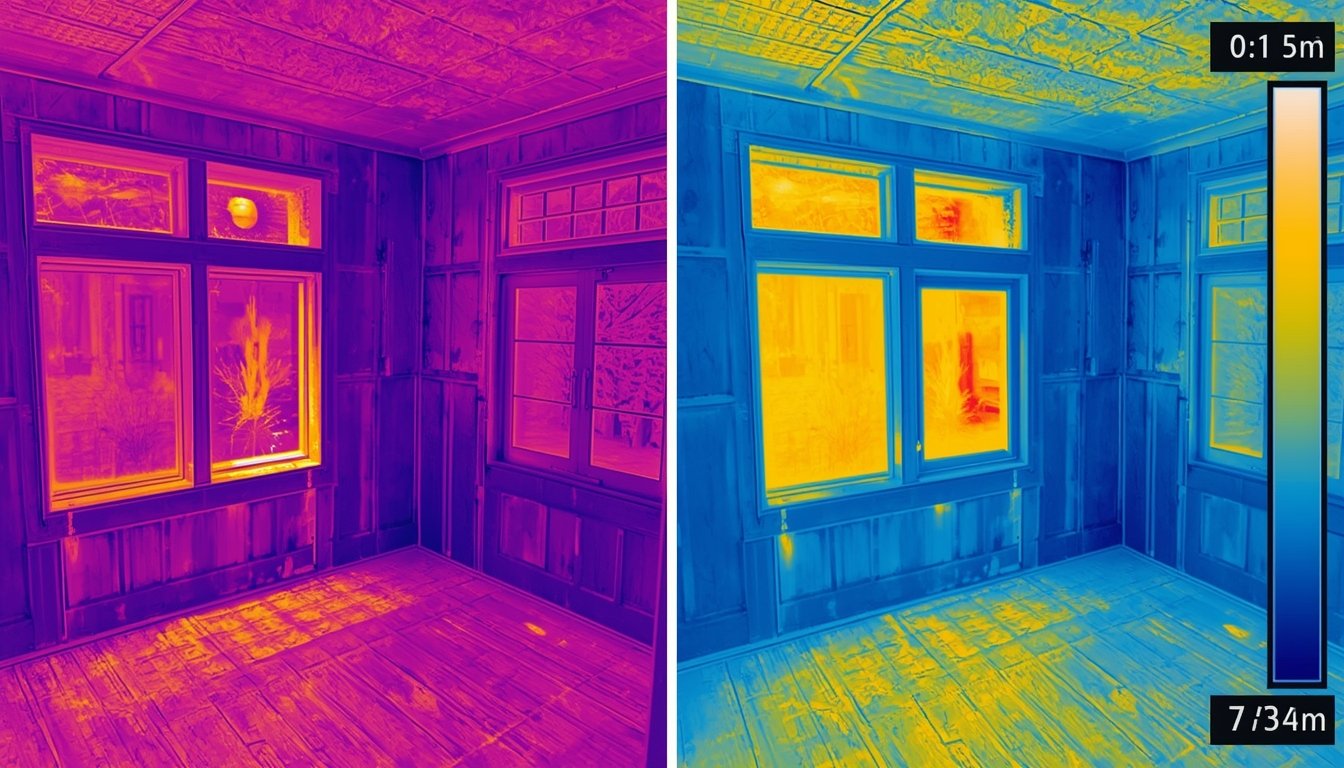
One room is usually colder than the rest because heat is being lost faster in that space or not being delivered effectively. This is often caused by insulation gaps, air leaks, poor airflow, or issues with the heating system.
Common reasons one room feels colder
When a single room is colder, it typically means something is disrupting the balance between heat entering the room and heat escaping. Even small issues can create noticeable temperature differences.
The most common causes include:
- Poor or missing insulation in walls, ceilings, or floors
- Air leaks around windows, doors, or wall joints
- Blocked or inefficient heating vents
- Rooms located at the end of ducting or far from heat sources
- Moisture or dampness affecting wall temperature
For example, a room with less insulation will lose heat more quickly, especially during colder weather. Similarly, small gaps around windows can allow cold air to enter continuously, lowering the overall temperature.
Location also matters. Rooms above garages, at the end of a house, or exposed to strong winds often experience more heat loss. These factors combine to make one room noticeably colder even when the heating system is working normally.
How to identify the cause of the temperature difference
To fix the problem, you first need to understand what is causing the temperature imbalance. Different causes require different solutions, so identifying the source is key.
Start by checking airflow. Make sure vents are open, unobstructed, and delivering warm air properly. If airflow is weak compared to other rooms, the issue may be related to the heating system rather than insulation.
Next, look for drafts. Move your hand around windows, doors, and edges of the room to feel for air movement. Even small drafts can significantly reduce the room’s temperature over time.
A thermal camera can make this process much easier by showing where heat is escaping or where cold air is entering. Instead of guessing, you can see patterns that indicate insulation gaps, airflow issues, or other problems. If you want to understand how these patterns relate to airflow issues, it helps to review how to check for air leaks around windows and doors before interpreting results.
Also consider comparing the room to others. If similar rooms do not have the same issue, that can help narrow down whether the problem is localised or part of a larger system imbalance.
How to fix a colder room effectively
Once you’ve identified the likely cause, you can take targeted steps to improve the temperature in that room.
If insulation is the issue, adding or improving insulation can reduce heat loss and make the room more consistent with the rest of the house. This is especially important for exterior walls or ceilings.
If drafts are present, sealing gaps with weatherstripping or sealant can make a noticeable difference. Even small improvements in sealing can significantly reduce heat loss.
If airflow is the problem, adjusting vents, balancing the system, or ensuring ducts are clear can help distribute heat more evenly. In some cases, minor adjustments can improve performance without major changes.
By focusing on the specific cause rather than applying general fixes, you can restore a more balanced temperature across your home and improve overall comfort.