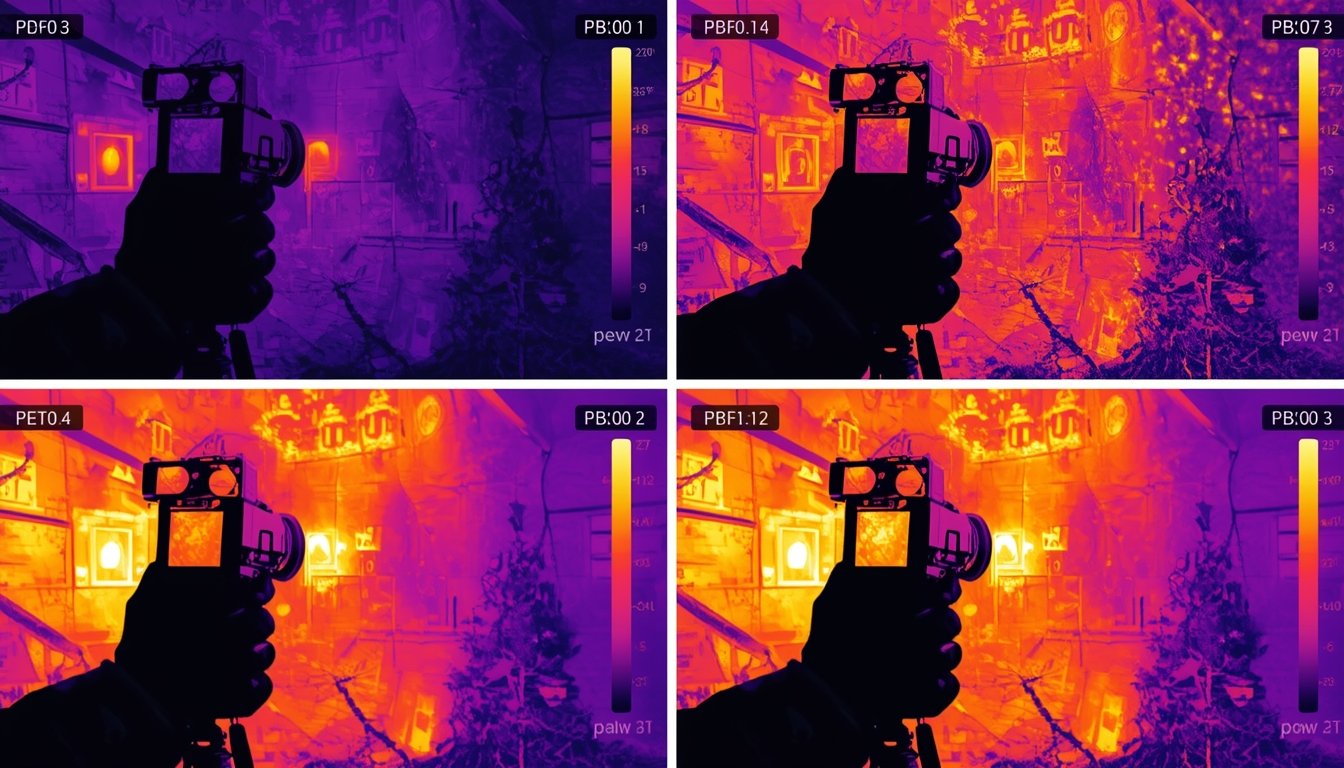
Common Mistakes When Using a Thermal Camera
Common mistakes when using a thermal camera usually come down to poor conditions, misinterpreting temperature patterns, or expecting the camera […]
Common mistakes when using a thermal camera usually come down to poor conditions, misinterpreting temperature patterns, or expecting the camera […]
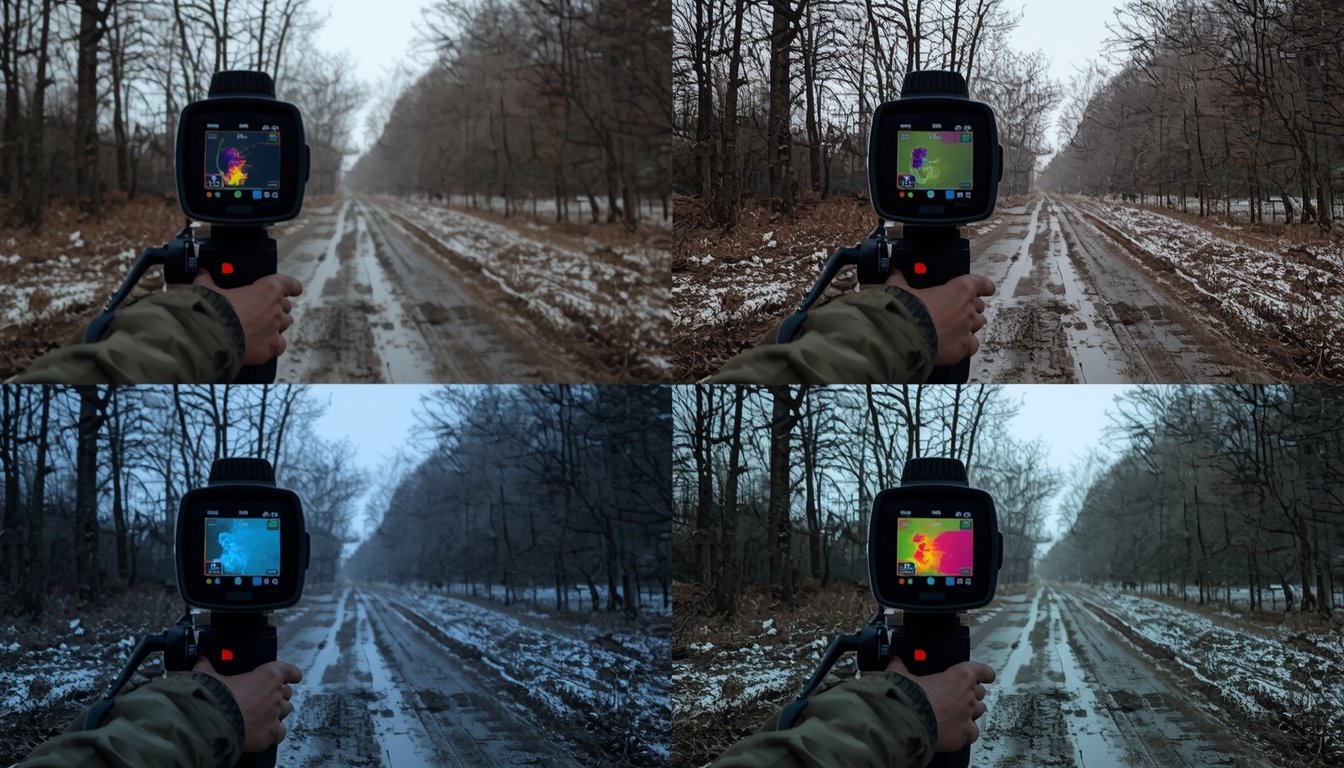
The best conditions for using a thermal camera at home are when there is a clear temperature difference between indoors
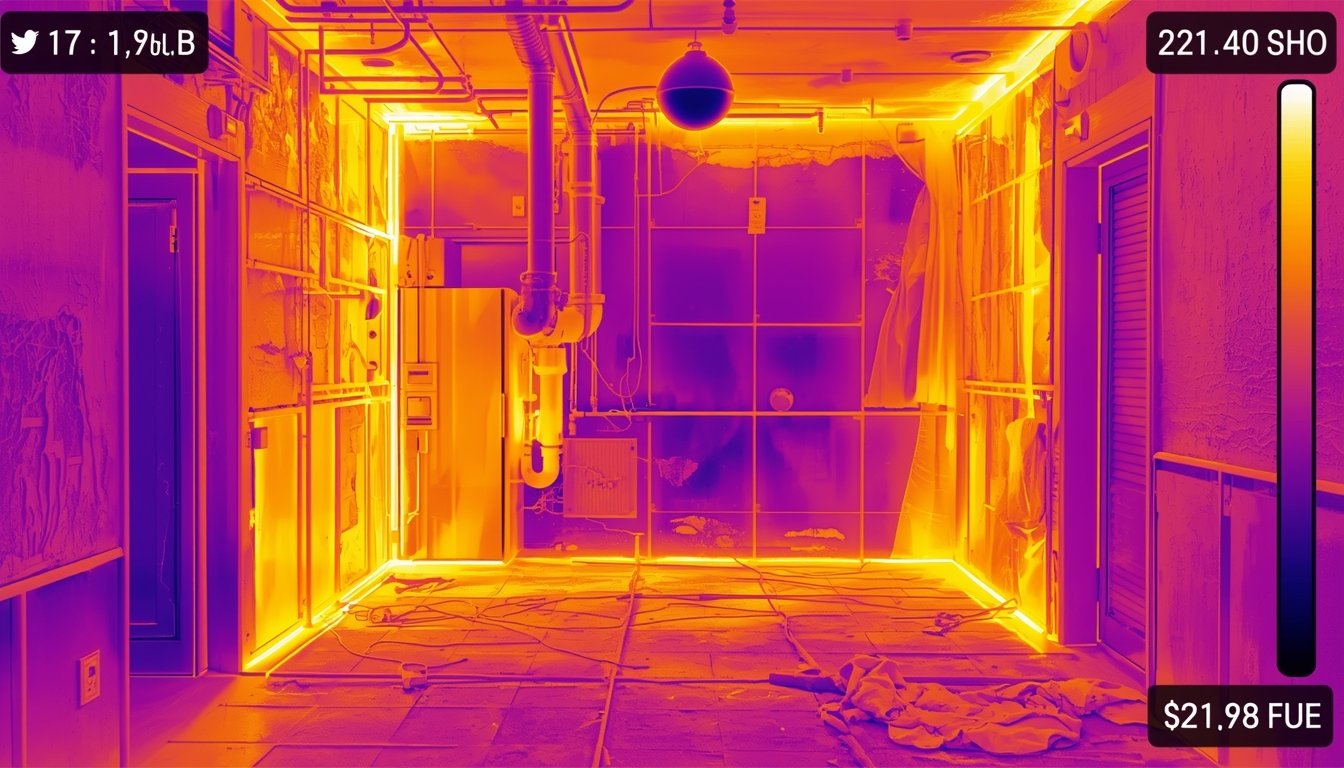
To scan a house with a thermal camera, you need to create a temperature difference, move slowly across surfaces, and
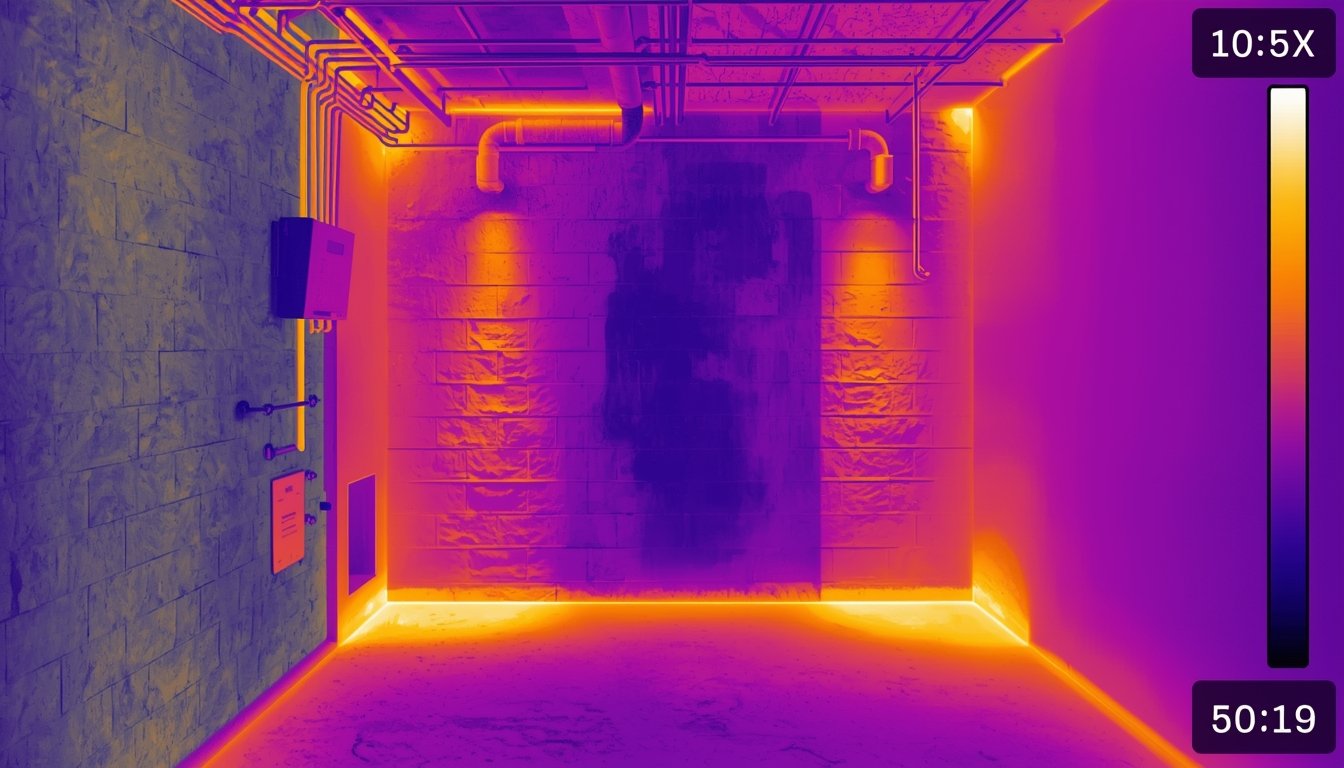
You can identify underfloor heating problems by checking for uneven floor temperatures, weak heating output, or areas that do not
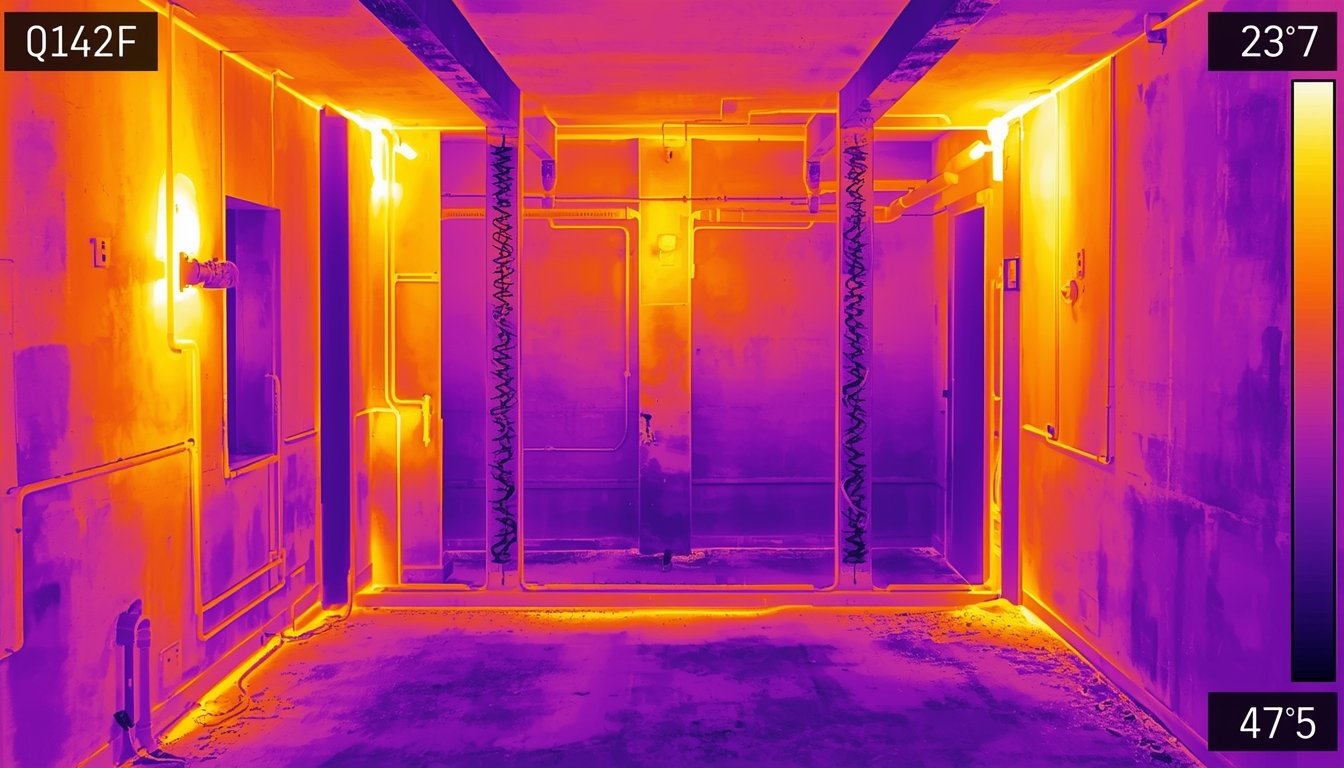
You can check HVAC performance with a thermal camera by scanning vents, ducts, and surrounding surfaces to see how evenly
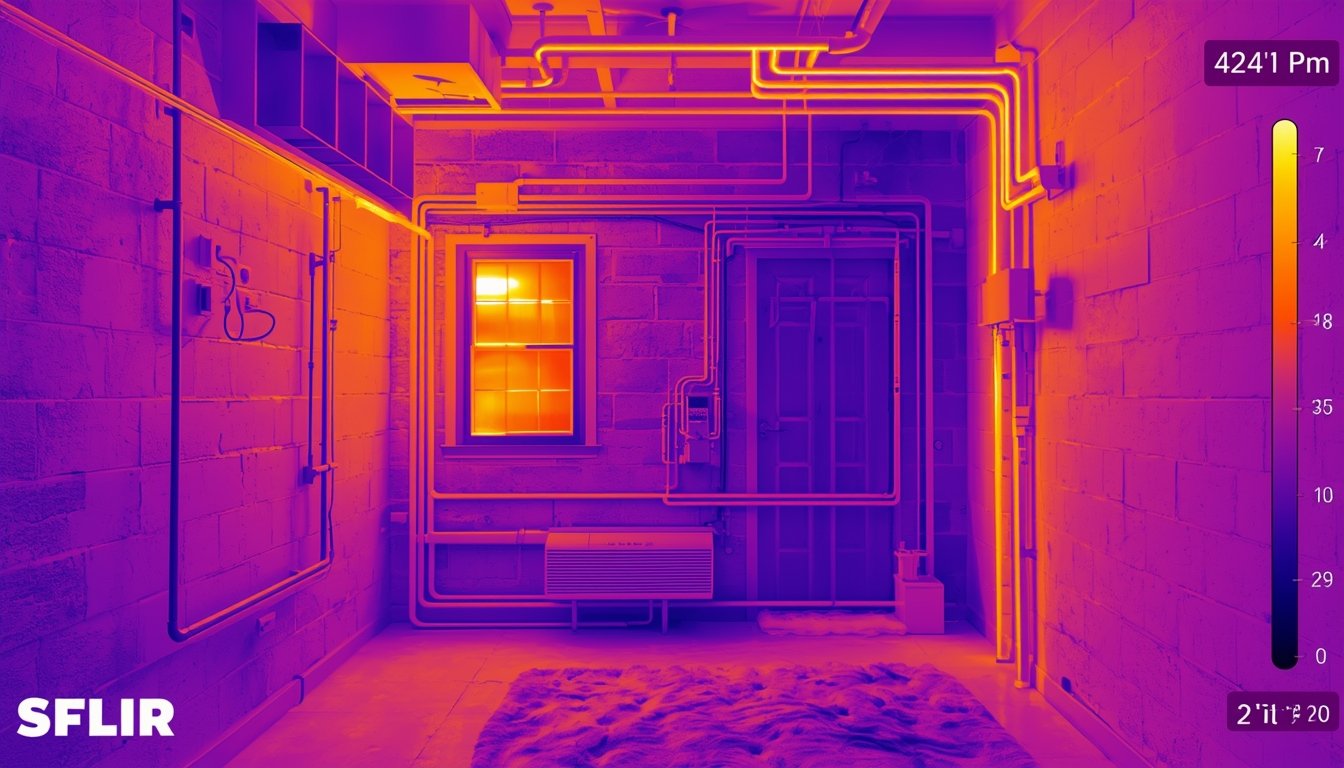
Yes, a thermal camera can help detect plumbing issues by identifying temperature differences caused by water flow, leaks, or damp
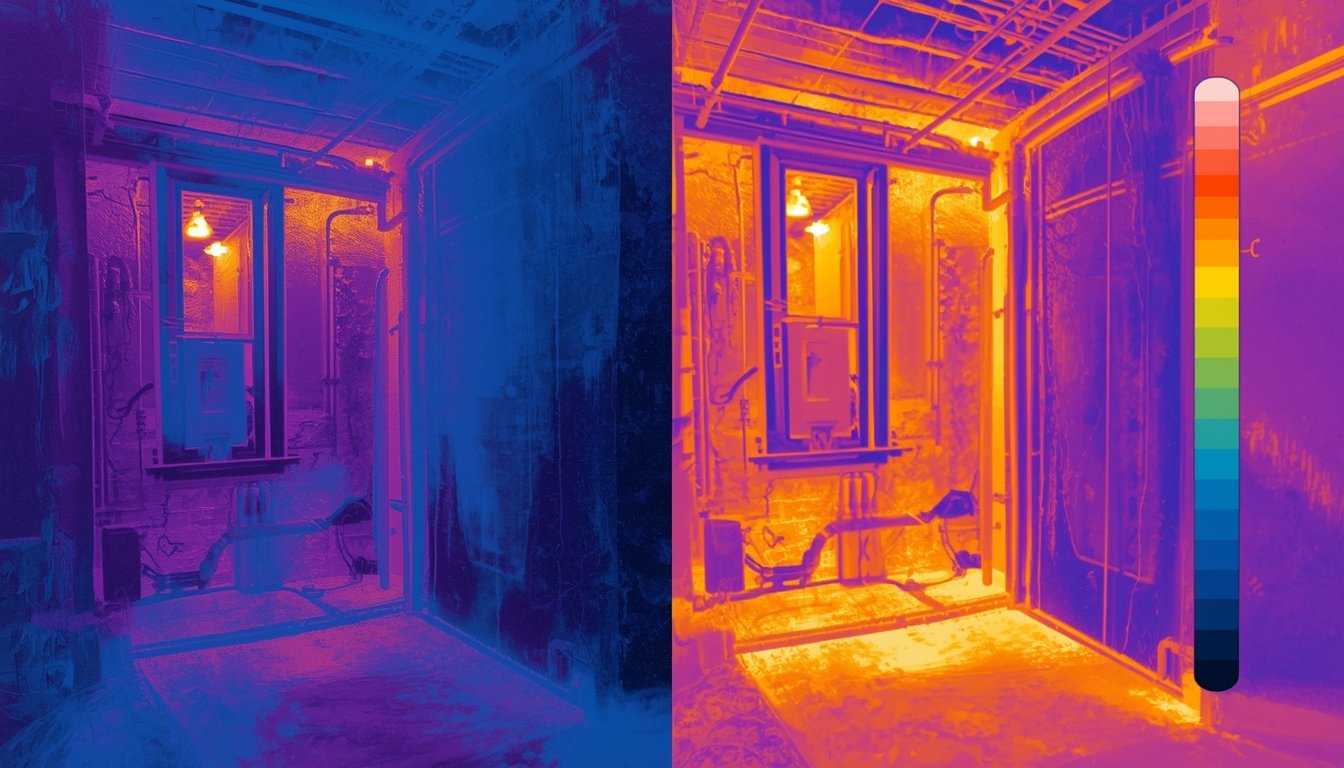
Yes, a thermal camera can help detect electrical problems by identifying unusual heat patterns on surfaces. It does not diagnose
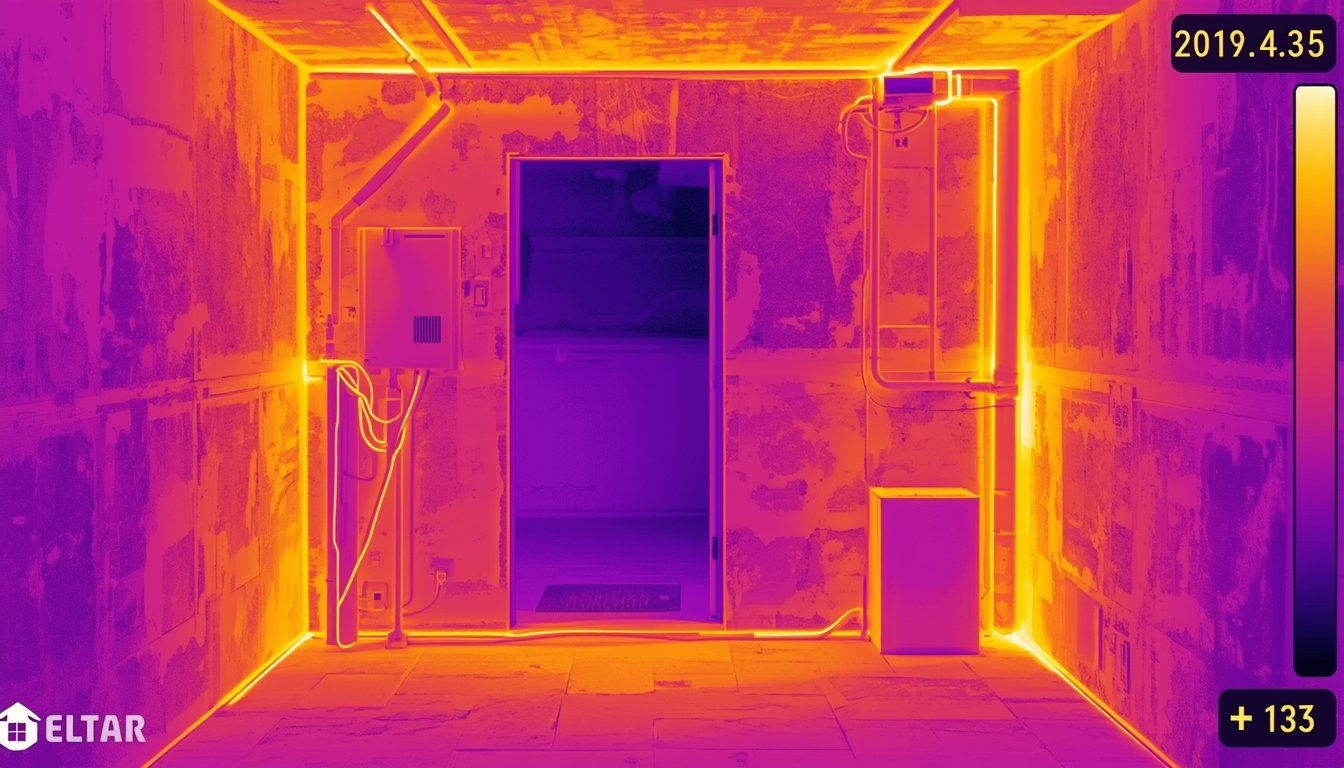
A thermal camera cannot directly detect termites or pests. It can only identify temperature differences on surfaces, which may sometimes
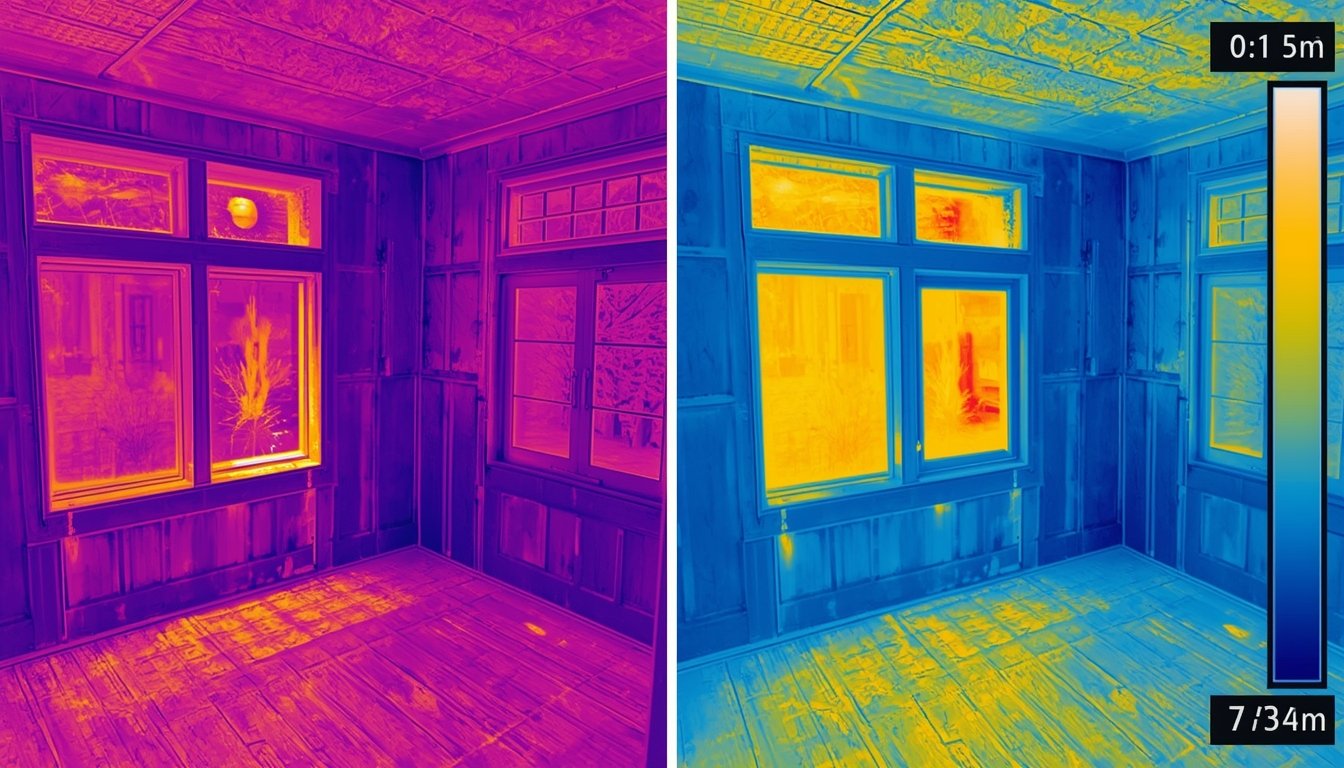
One room is usually colder than the rest because heat is being lost faster in that space or not being
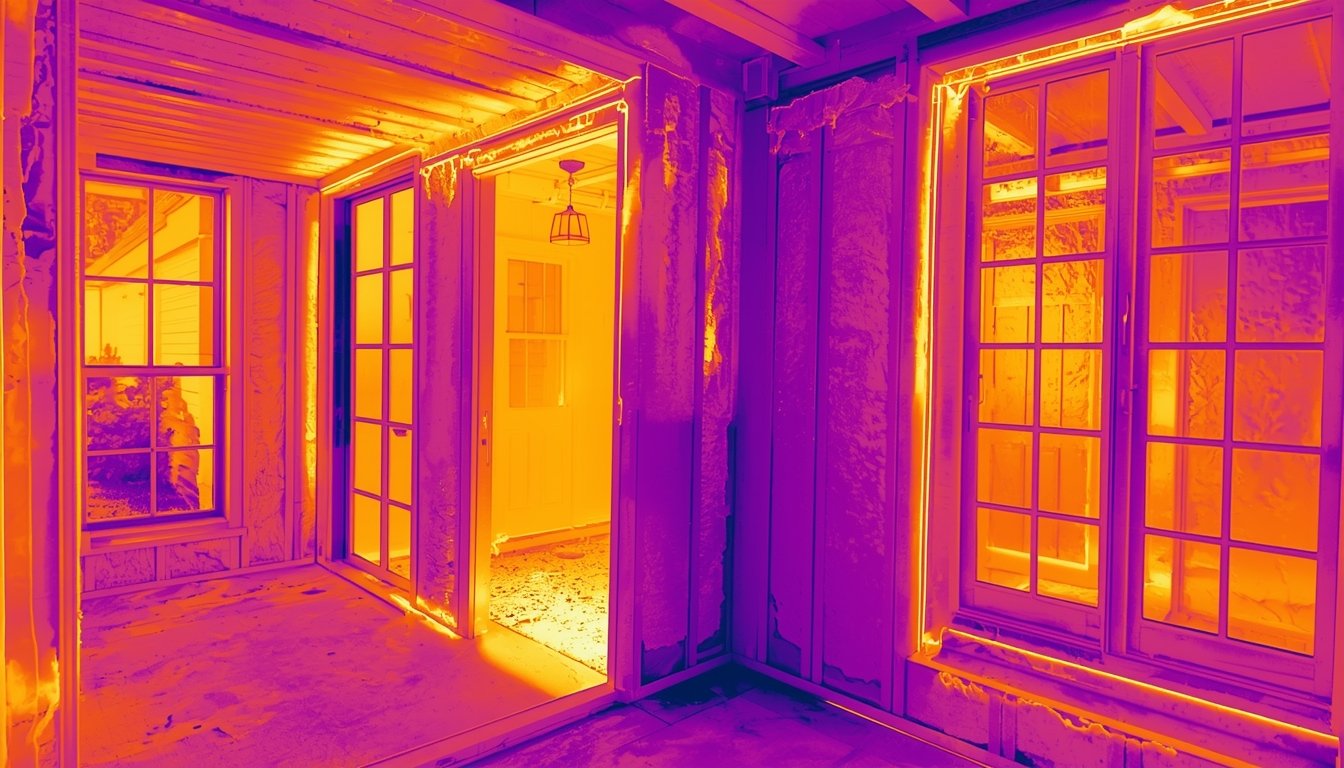
Cold spots on your walls are usually caused by heat escaping unevenly, often due to poor insulation, air leaks, or